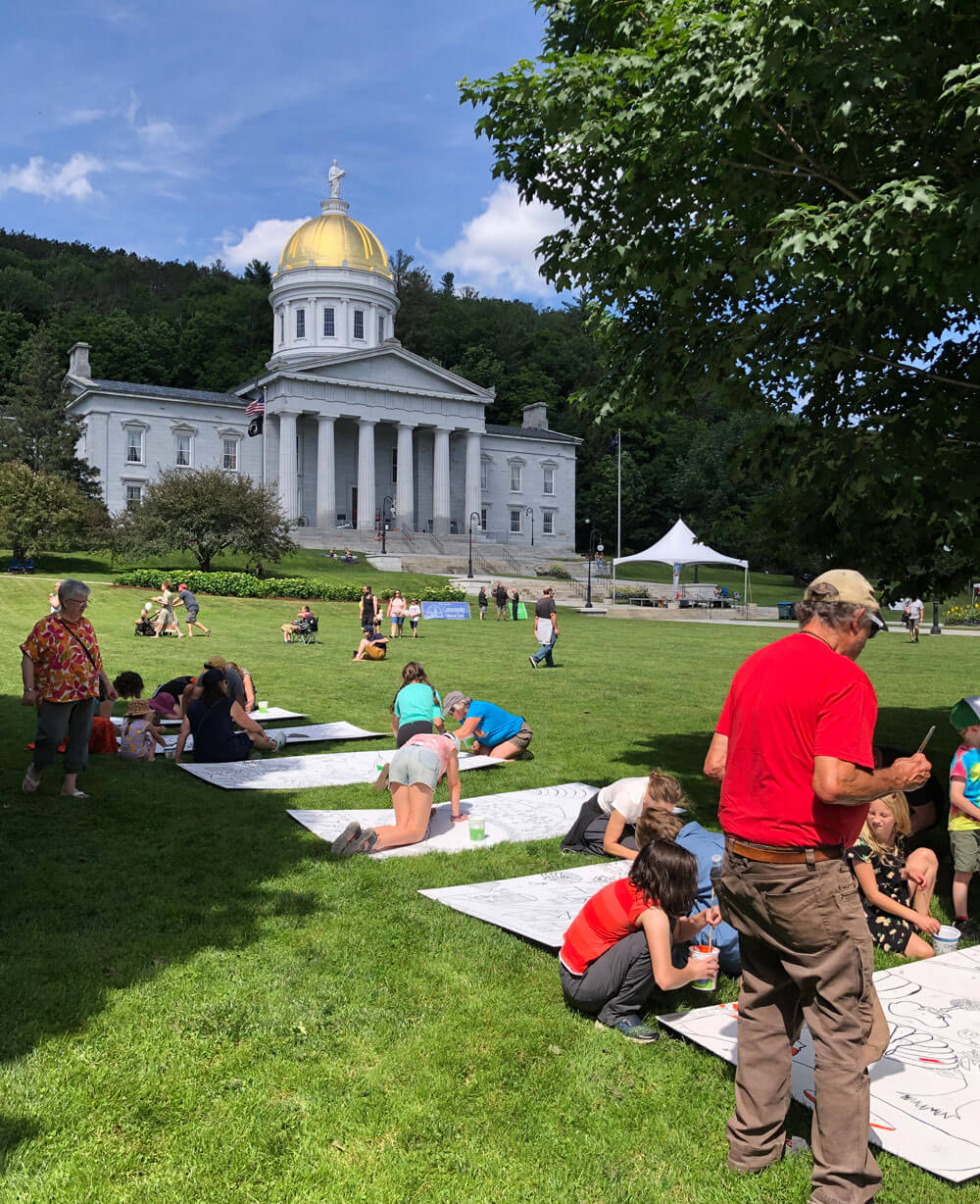
History of T.W. Wood Museum
T.W. Wood Museum is the oldest continuous art museum in Vermont
On August 8, 1895, Thomas Waterman Wood deeded his collection of American art to the citizens of Montpelier, thus establishing T.W. Wood Gallery: A Museum of American Art as the first incorporated public art gallery in the state of Vermont.
A Gathering of Many Artists
In Thomas Waterman Wood address at the opening of the Museum the artist said, “This is my native place, and while I am in one sense a transient person here, still I have resided more years among you than the majority of your year-round inhabitants, and when I have been absent in body, my heart has been dwelling in this lovely valley…. I have a purpose, a very distinct purpose, in offering to place here at your disposal the results of some years of my labor, as a nucleus around which to gather that of many more years of labor not of a single artist alone, but of many artists.”
At the outset, the collection consisted of 42 paintings, etchings, and watercolors; yet it began to grow almost immediately. Wood soon donated more of his work including copies of paintings that he did of many of the Great European Masters. These copies of works by Rembrandt, Turner, and others were created by Wood with the intention of enabling local Vermonters, who were unlikely to travel to Europe or own expensive art books, to experience the transformative power of great art.
Wood’s friendships with his contemporaries are reflected in the collection with works by Hudson River School artists like Frederick S. Church, Asher B. Durand, and William Beard; fellow genre artists like J. G. Brown; and other prominent American artists of his time. Upon Wood’s death in 1903, the bulk of his estate was left to the Gallery.
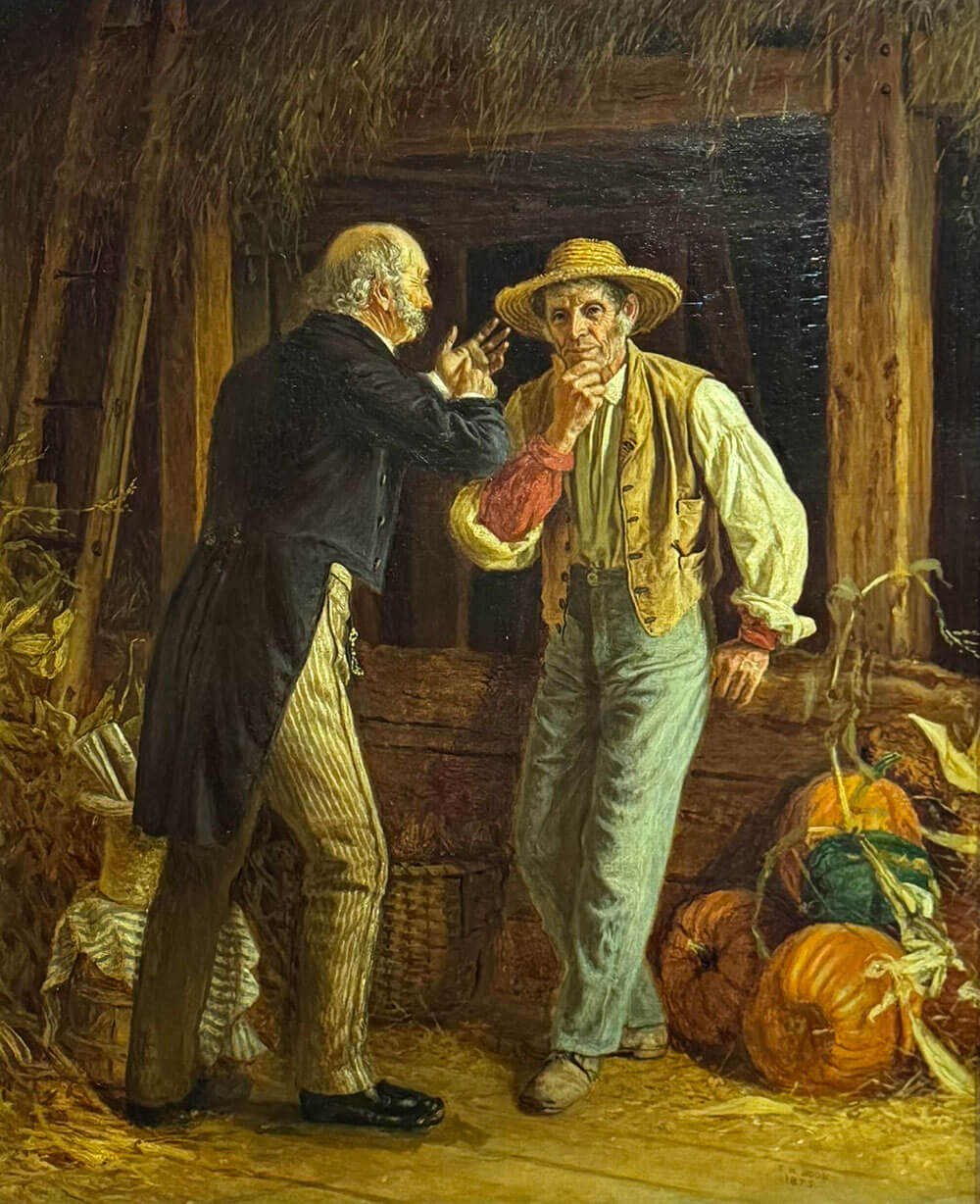
A New Collection of American Art
Following World War II, the Gallery acquired a new collection of American art from the Federal Arts Project (FAP). The FAP was part of the Works Progress Administration (WPA), the federal jobs program that put millions of people, including over 10,000 artists, to work during the Great Depression. In the late 1940s, the General Services Administration took over the assets of the FAP and distributed them on “permanent loan” to institutions across the country, designating T.W. Wood Museum as the repository in northern New England.
The works in the WPA collection include notable American artists such as abstract expressionist Joseph Stella, eminent Japanese-American printmaker Yasuo Kuniyoshi, and Vermont artist Ron Slayton. The collection has grown from its original GSA endowment to include donations of other WPA-era works of art from generous benefactors.
Today T.W. Wood’ Museum’s permanent collection includes over 1000 works of Wood’s art including diaries, sketches, prints, and paintings and over 150 WPA-era works. One gallery in the museum is dedicated to the Wood collection and another to the WPA collection. A third gallery, the Nuquist, provides exhibit space for changing shows of Vermont and New England artists, while the Contemporary Hallway showcases the work of local artist-member organizations such as the Vermont Pastel Society and T.W. Wood Museum members in an annual members art show. In addition, some of the Wood Museum’s collection can be seen on display in the Vermont State House and Montpelier City Hall.
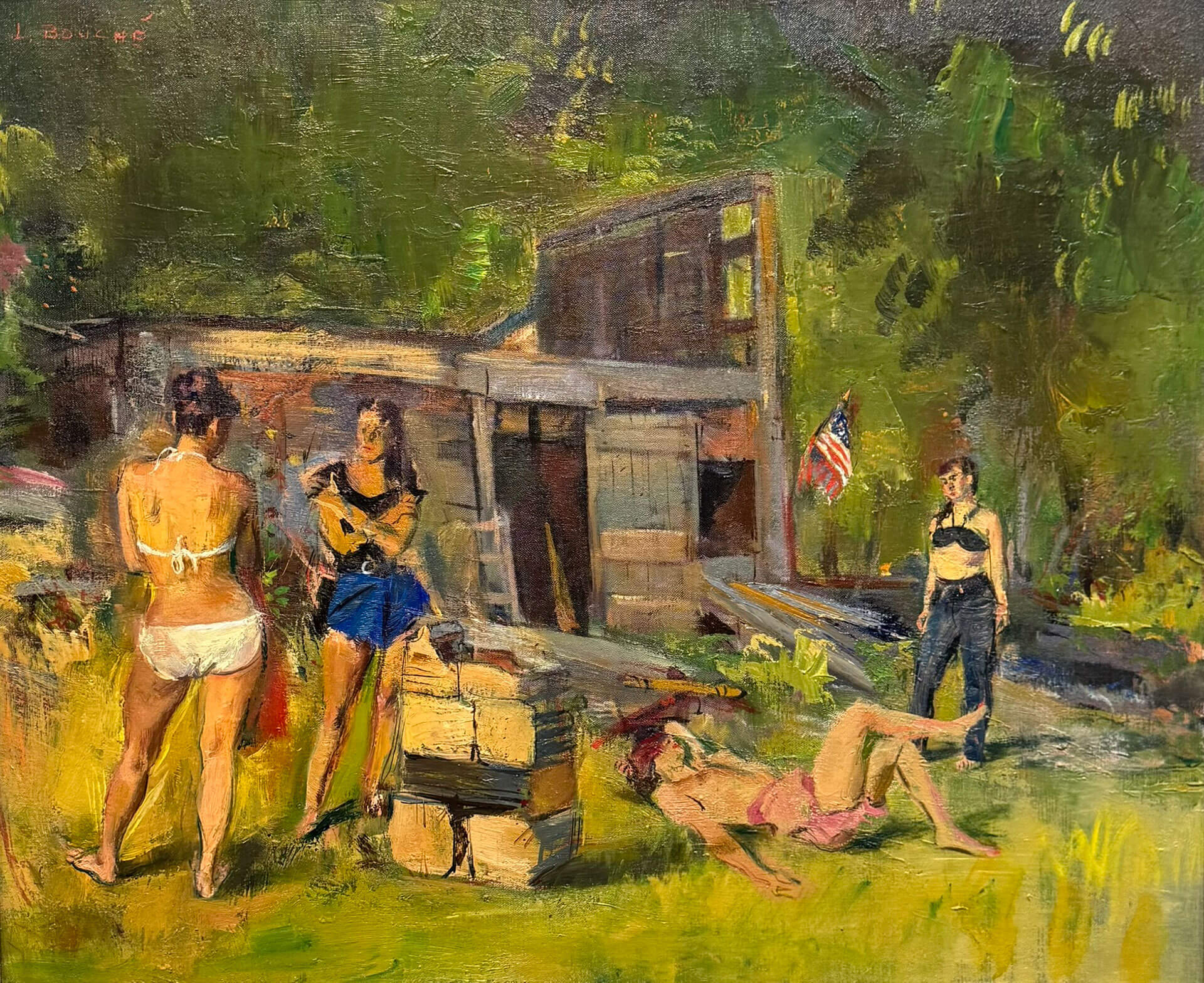
The Museum’s Various Homes
T.W. Wood Museum was originally located in the Montpelier YMCA and Vermont Mutual Insurance Company on State Street. In 1896, Wood’s friend Professor John W. Burgess felt that the Gallery deserved its own building. Professor Burgess taught at Columbia College, was a summer resident of Montpelier living at Redstone, and was married to Montpelier native Ruth Payne who was a student of Wood. Burgess financed the purchase and renovation of a property on State Street (a part of today’s Capitol Plaza). The Gallery had its opening reception for its new building on July 27, 1897.
In 1948, the Kellogg-Hubbard Library approached the Museum with a desire to join the two cultural enterprises of the city into one building. In 1953 the Gallery moved into a location on the upper story of the library. One of its notable installations in this space was a series of friezes that ran along the top ceilings of the gallery. Gifted to the museum in 1896, the Wood friezes consisted of plaster copies of friezes from the Parthenon, from the façade of the organ gallery in the Florence Cathedral sculpted by Donatello Bardi, and from the same cathedral which were sculpted between 1431 and 1440 by Luca Della Robbia. The friezes were gifted by the Museum to Kellogg-Hubbard and are still on view at the library. The partnership of the two community organizations was a successful one for years until the expansion of both institutions indicated a need for a venue change.
In 1985, Vermont College at Norwich University invited the Wood Gallery to move into College Hall. The Museum stayed at that location until 2012 when we found our permanent home at 46 Barre St. in Montpelier, VT. The building was a joint purchase of T.W. Wood Museum, Monteverdi Music School, and the River Rock School. The Center for Arts and Learning was created at the time as a nonprofit organization to manage the building for the partner-owners. In 2020, T.W. Wood Museum bought out River Rock’s share of the building.
The building was originally a convent built in the early 20th century with an attached elementary school from the 1950s. The convent houses the Center for Arts and Learning and Monteverdi Music School. T.W. Wood Museum occupies the two-story former elementary school with galleries and exhibition space on the second floor and classrooms for youth and adult education on the first.
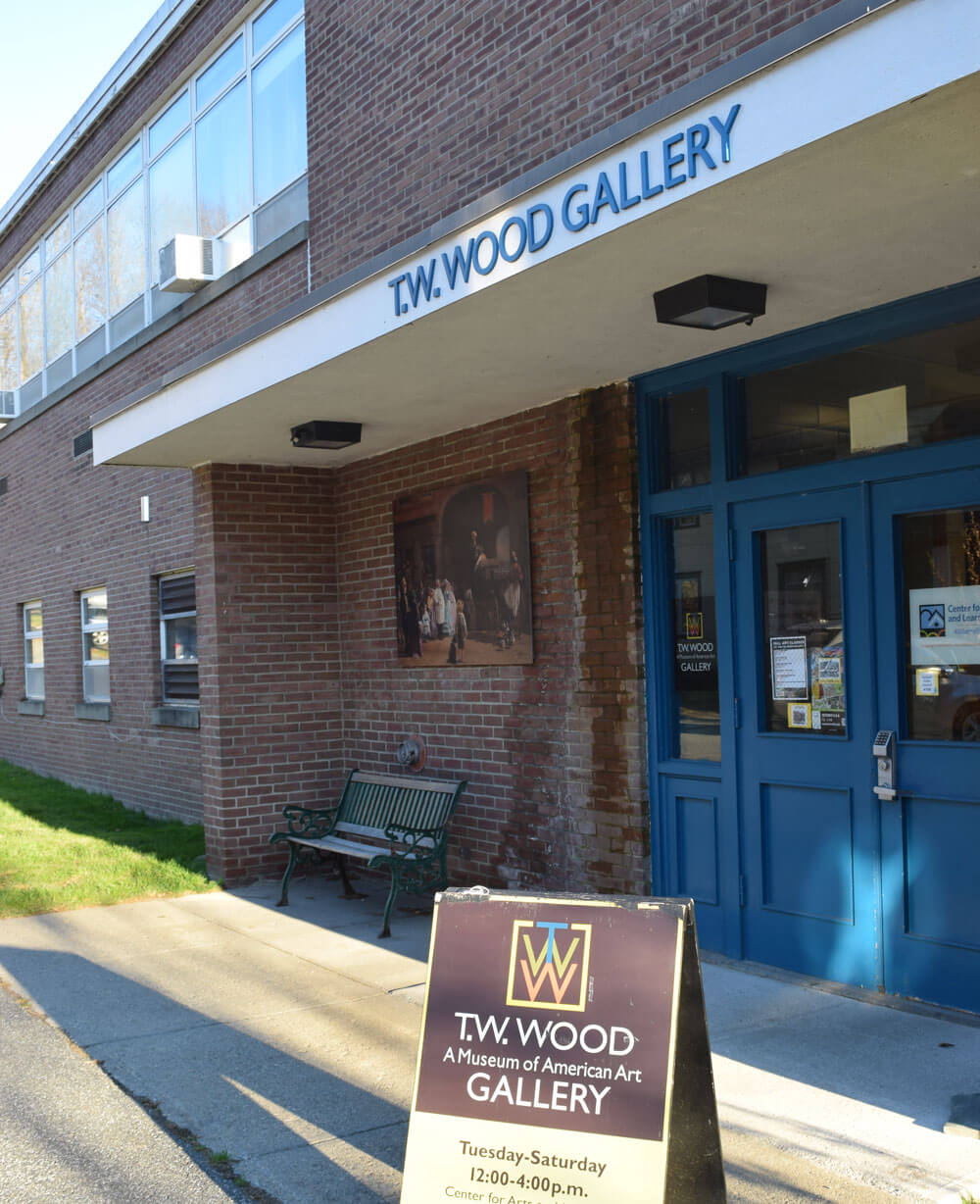
Education as Part of the Mission
In 1996, T.W. Wood Museum started offering youth arts education, expanding on Thomas Waterman Wood’s vision that the gallery he established would be an “institution for the culture and the welfare” of his fellow citizens. The program has grown significantly over the years and today serves on average of 105 students weekly, with a robust scholarship program that ensures every child who wants to attend may do so. The Museum also offers arts education classes for adults and seniors, some of which can be attended remotely for people who may not be able to be physically present.
T.W. Wood Museum regularly partners on arts events and programming with community and civic organizations like Montpelier Alive!, the Montpelier Senior Activities Center, and the Vermont Center for Independent Living, furthering the mission of its founder that the transformative power of art is available to all.